
گرانیت نوعی سنگ آذرین است که به دلیل استحکام، چگالی، دوام و مقاومت فوقالعادهاش در برابر خوردگی استخراج میشود. اما گرانیت بسیار متنوع نیز هست - فقط برای مربع و مستطیل نیست! در واقع، ما با اطمینان خاطر و به طور منظم با قطعات گرانیتی مهندسی شده در اشکال، زوایا و منحنیهای مختلف کار میکنیم - و نتایج عالی به دست میآوریم.
Through our state of the art processing, cut surfaces can be exceptionally flat. These qualities make granite the ideal material to create custom-size and custom-design machine bases and metrology components. Granite is:
■ قابل ماشینکاری
■ کاملاً صاف پس از برش و پرداخت
■ مقاوم در برابر زنگ زدگی
■ بادوام
■ ماندگاری طولانی
اجزای گرانیتی نیز به راحتی تمیز میشوند. هنگام ایجاد طرحهای سفارشی، حتماً گرانیت را به دلیل مزایای برتر آن انتخاب کنید.
استانداردها / کاربردهای سایش بالا
گرانیتی که توسط ZHHIMG برای محصولات صفحهای استاندارد ما استفاده میشود، دارای محتوای کوارتز بالایی است که مقاومت بیشتری در برابر سایش و آسیب ایجاد میکند. رنگهای مشکی برتر ما میزان جذب آب پایینی دارند و احتمال زنگزدگی گیجهای دقیق شما را هنگام قرار گرفتن روی صفحات به حداقل میرسانند. رنگهای گرانیتی ارائه شده توسط ZHHIMG منجر به تابش کمتر میشوند که به معنای خستگی چشم کمتر برای افرادی است که از صفحات استفاده میکنند. ما انواع گرانیت خود را با در نظر گرفتن انبساط حرارتی انتخاب کردهایم تا این جنبه را به حداقل برسانیم.
CUSTOM APPLICATIONS
وقتی درخواست شما نیاز به صفحهای با اشکال سفارشی، درجهای رزوهدار، شیارها یا سایر ماشینکاریها دارد، باید مادهای مانند Black Jinan Black را انتخاب کنید. این ماده طبیعی، سفتی برتر، میرایی عالی ارتعاش و قابلیت ماشینکاری بهبود یافته را ارائه میدهد.
لازم به ذکر است که رنگ به تنهایی نشانهای از ویژگیهای فیزیکی سنگ نیست. به طور کلی، رنگ گرانیت مستقیماً با وجود یا عدم وجود مواد معدنی مرتبط است که ممکن است هیچ ارتباطی با ویژگیهایی که مواد صفحه سطحی خوبی را ایجاد میکنند، نداشته باشد. گرانیتهای صورتی، خاکستری و سیاه وجود دارند که برای صفحات سطحی عالی هستند، و همچنین گرانیتهای سیاه، خاکستری و صورتی وجود دارند که برای کاربردهای دقیق کاملاً نامناسب هستند. ویژگیهای مهم گرانیت، همانطور که مربوط به استفاده از آن به عنوان ماده صفحه سطحی است، هیچ ارتباطی با رنگ ندارند و به شرح زیر است:
■ سختی (انحراف تحت بار - که با مدول الاستیسیته نشان داده میشود)
■ سختی
■ تراکم
■ مقاومت در برابر سایش
■ پایداری
■ تخلخل
ما بسیاری از مواد گرانیتی را آزمایش و با هم مقایسه کردهایم. در نهایت به این نتیجه رسیدیم که گرانیت مشکی جینان بهترین مادهای است که تا به حال شناختهایم. گرانیت مشکی هند و گرانیت آفریقای جنوبی مشابه گرانیت مشکی جینان هستند، اما خواص فیزیکی آنها کمتر از گرانیت مشکی جینان است. ZHHIMG به جستجوی مواد گرانیتی بیشتر در جهان و مقایسه خواص فیزیکی آنها ادامه خواهد داد.
برای صحبت بیشتر در مورد گرانیتی که برای پروژه شما مناسب است، لطفا با ما تماس بگیریدinfo@zhhimg.com.
تولیدکنندگان مختلف از استانداردهای متفاوتی استفاده میکنند. استانداردهای زیادی در جهان وجود دارد.
استاندارد DIN، ASME B89.3.7-2013 یا مشخصات فدرال GGG-P-463c (صفحات سطح گرانیتی) و غیره به عنوان مبنایی برای مشخصات آنها.
و ما میتوانیم صفحه بازرسی دقیق گرانیت را مطابق با نیازهای شما تولید کنیم. اگر میخواهید اطلاعات بیشتری در مورد استانداردهای بیشتر بدانید، با ما تماس بگیرید.
صافی را میتوان به عنوان تمام نقاط روی سطح در نظر گرفت که در دو صفحه موازی، صفحه پایه و صفحه سقف، قرار دارند. اندازهگیری فاصله بین صفحات، صافی کلی سطح است. این اندازهگیری صافی معمولاً دارای تلرانس است و ممکن است شامل یک درجهبندی باشد.
برای مثال، تلرانسهای صافی برای سه گرید استاندارد در مشخصات فدرال با فرمول زیر تعریف شدهاند:
■ درجه آزمایشگاهی AA = (40 + مربع قطری تقسیم بر 25) x .000001 اینچ (یک طرفه)
■ درجه بازرسی A = درجه آزمایشگاهی AA x 2
■ اتاق ابزار درجه B = درجه آزمایشگاهی AA x 4.
برای صفحات سطحی با اندازه استاندارد، ما تلرانسهای مسطح بودن را که فراتر از الزامات این مشخصات هستند، تضمین میکنیم. علاوه بر مسطح بودن، ASME B89.3.7-2013 و Federal Specification GGG-P-463c به موضوعاتی از جمله: دقت اندازهگیری مکرر، خواص مواد گرانیتهای صفحات سطحی، پرداخت سطح، محل نقطه تکیهگاه، سختی، روشهای قابل قبول بازرسی، نصب درجهای رزوهدار و غیره میپردازند.
صفحات سطح گرانیتی ZHHIMG و صفحات بازرسی گرانیت، تمام الزامات مندرج در این مشخصات را برآورده میکنند یا از آنها فراتر میروند. در حال حاضر، هیچ مشخصات مشخصی برای صفحات زاویهدار، موازی یا مربعهای اصلی گرانیت وجود ندارد.
و میتوانید فرمولهای مربوط به استانداردهای دیگر را در ... بیابید.دانلود.
اول، تمیز نگه داشتن صفحه مهم است. گرد و غبار ساینده موجود در هوا معمولاً بزرگترین منبع ساییدگی و پارگی صفحه است، زیرا تمایل دارد در قطعات کار و سطوح تماس گیجها فرو رود. دوم، صفحه خود را بپوشانید تا از گرد و غبار و آسیب در امان باشد. عمر سایش را میتوان با پوشاندن صفحه در مواقع عدم استفاده، چرخاندن دورهای صفحه به طوری که یک ناحیه بیش از حد استفاده نشود، و تعویض پدهای تماس فولادی روی گیج با پدهای کاربیدی افزایش داد. همچنین، از قرار دادن غذا یا نوشیدنیهای غیرالکلی روی صفحه خودداری کنید. توجه داشته باشید که بسیاری از نوشیدنیهای غیرالکلی حاوی اسید کربنیک یا فسفریک هستند که میتوانند مواد معدنی نرمتر را حل کرده و حفرههای کوچکی در سطح ایجاد کنند.
این بستگی به نحوه استفاده از صفحه دارد. در صورت امکان، توصیه میکنیم صفحه را در ابتدای روز (یا شیفت کاری) و دوباره در پایان آن تمیز کنید. اگر صفحه کثیف شود، به خصوص با مایعات روغنی یا چسبنده، احتمالاً باید فوراً تمیز شود.
صفحه را مرتباً با مایع یا پاککنندهی بدون آب صفحهی ZHHIMG تمیز کنید. انتخاب محلولهای تمیزکننده مهم است. اگر از حلال فرار (استون، تینر لاک، الکل و غیره) استفاده شود، تبخیر آن سطح را سرد کرده و آن را تغییر شکل میدهد. در این صورت، لازم است قبل از استفاده، اجازه دهید صفحه به حالت عادی برگردد، در غیر این صورت خطاهای اندازهگیری رخ خواهد داد.
مدت زمان لازم برای عادی شدن صفحه با توجه به اندازه صفحه و میزان خنک شدن متفاوت خواهد بود. برای صفحات کوچکتر یک ساعت کافی است. برای صفحات بزرگتر ممکن است دو ساعت زمان لازم باشد. اگر از پاک کننده مبتنی بر آب استفاده شود، مقداری خنک شدن تبخیری نیز وجود خواهد داشت.
این صفحه همچنین آب را در خود نگه میدارد و این میتواند باعث زنگزدگی قطعات فلزی در تماس با سطح شود. برخی از پاککنندهها نیز پس از خشک شدن، بقایای چسبندهای از خود به جا میگذارند که گرد و غبار موجود در هوا را جذب میکند و در واقع به جای کاهش، باعث افزایش سایش میشود.
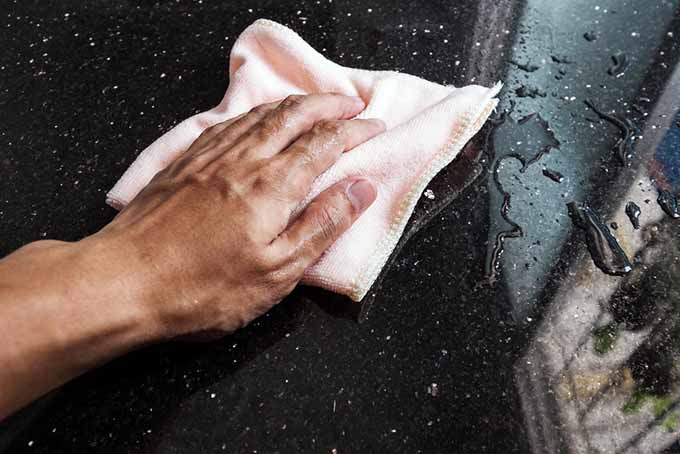
این بستگی به نحوه استفاده از صفحه و محیط دارد. توصیه میکنیم که یک صفحه یا لوازم جانبی گرانیتی دقیق جدید، ظرف یک سال از تاریخ خرید، کالیبراسیون مجدد کامل دریافت کند. اگر صفحه سطح گرانیتی مورد استفاده زیاد قرار میگیرد، توصیه میشود این فاصله زمانی به شش ماه کاهش یابد. بازرسی ماهانه برای خطاهای اندازهگیری مکرر با استفاده از تراز الکترونیکی یا دستگاه مشابه، هرگونه لکه سایش در حال توسعه را نشان میدهد و انجام آن فقط چند دقیقه طول میکشد. پس از مشخص شدن نتایج اولین کالیبراسیون مجدد، فاصله زمانی کالیبراسیون میتواند طبق اجازه یا نیاز سیستم کیفیت داخلی شما، تمدید یا کوتاه شود.
ما میتوانیم خدماتی را برای کمک به شما در بازرسی و کالیبراسیون صفحه سطح گرانیتی ارائه دهیم.

چندین دلیل احتمالی برای اختلاف بین کالیبراسیونها وجود دارد:
- سطح قبل از کالیبراسیون با محلول گرم یا سرد شسته شده و زمان کافی برای عادی سازی به آن داده نشده است.
- صفحه به طور نامناسبی پشتیبانی میشود
- تغییر دما
- پیشنویسها
- نور مستقیم خورشید یا سایر تابشهای حرارتی روی سطح صفحه. مطمئن شوید که نور بالای سر، سطح را گرم نمیکند.
- تغییرات گرادیان دمای عمودی بین زمستان و تابستان (در صورت امکان، دمای گرادیان عمودی را در زمان انجام کالیبراسیون بدانید.)
- به پلیت پس از حمل و نقل، زمان کافی برای عادی شدن داده نشده است
- استفاده نادرست از تجهیزات بازرسی یا استفاده از تجهیزات کالیبره نشده
- تغییر سطح ناشی از سایش
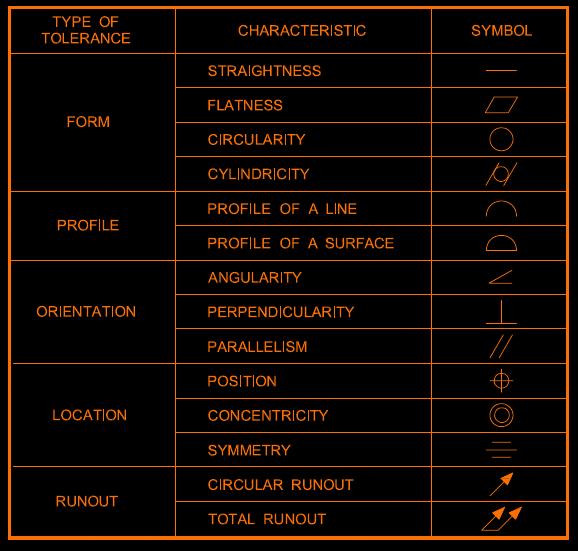
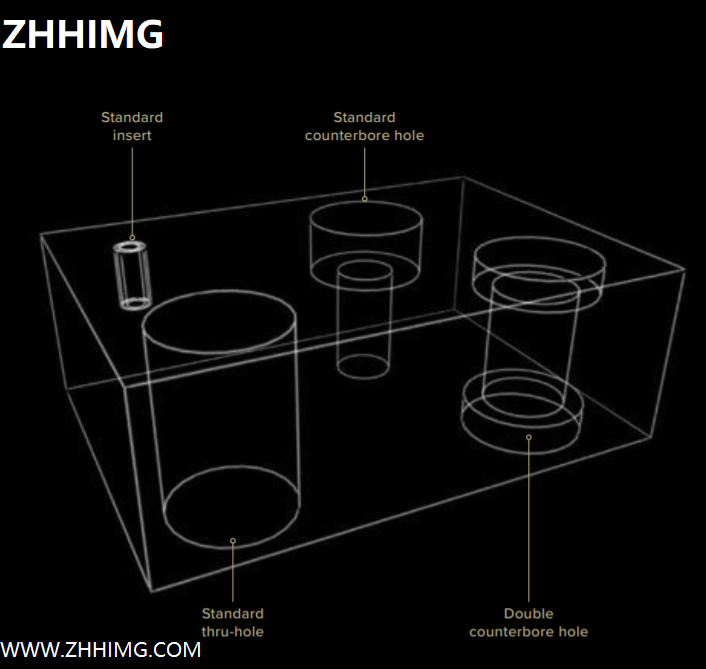
چند نوع سوراخ روی گرانیت دقیق وجود دارد؟
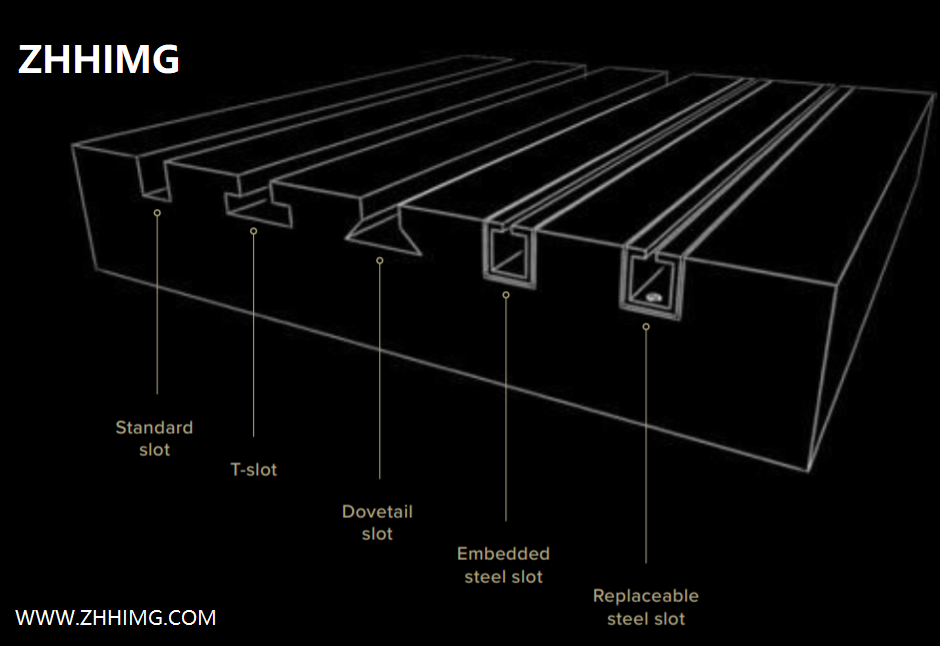
شیارهای روی قطعات گرانیتی دقیق
برای بسیاری از کارخانهها، اتاقهای بازرسی و آزمایشگاهها، صفحات سطح گرانیتی دقیق به عنوان مبنایی برای اندازهگیری دقیق مورد استفاده قرار میگیرند. از آنجا که هر اندازهگیری خطی به یک سطح مرجع دقیق که ابعاد نهایی از آن گرفته میشود بستگی دارد، صفحات سطح بهترین صفحه مرجع را برای بازرسی کار و طرحبندی قبل از ماشینکاری فراهم میکنند. آنها همچنین پایههای ایدهآلی برای اندازهگیری ارتفاع و اندازهگیری سطوح هستند. علاوه بر این، درجه بالایی از صافی، پایداری، کیفیت کلی و کیفیت ساخت، آنها را به گزینهای مناسب برای نصب سیستمهای اندازهگیری مکانیکی، الکترونیکی و نوری پیشرفته تبدیل میکند. برای هر یک از این فرآیندهای اندازهگیری، کالیبره نگه داشتن صفحات سطح ضروری است.
Repeat Measurements and Flatness
هم صافی و هم اندازهگیریهای مکرر برای اطمینان از یک سطح دقیق بسیار مهم هستند. صافی را میتوان به عنوان قرار گرفتن تمام نقاط روی سطح در دو صفحه موازی، صفحه پایه و صفحه سقف، در نظر گرفت. اندازهگیری فاصله بین صفحات، صافی کلی سطح است. این اندازهگیری صافی معمولاً دارای تلرانس است و ممکن است شامل یک درجهبندی باشد.
The flatness tolerances for three standard grades are defined in the federal specification as determined by the following formula:
استاندارد DIN، استاندارد GB، استاندارد ASME، استاندارد JJS... کشور متفاوت با جایگاه متفاوت...
جزئیات بیشتر در مورد استاندارد
In addition to flatness, repeatability must be ensured. A repeat measurement is a measurement of local flatness areas. It is a measurement taken anywhere on the surface of a plate that will repeat within the stated tolerance. Controlling local area flatness to a tighter tolerance than overall flatness guarantees a gradual change in surface flatness profile, thereby minimizing local errors.
برای اطمینان از اینکه یک صفحه سطحی هم از نظر صافی و هم از نظر مشخصات اندازهگیری مکرر مطابقت دارد، تولیدکنندگان صفحات سطحی گرانیتی باید از مشخصات فدرال GGG-P-463c به عنوان مبنایی برای مشخصات خود استفاده کنند. این استاندارد به دقت اندازهگیری مکرر، خواص مواد گرانیت صفحه سطحی، پرداخت سطح، محل نقطه پشتیبانی، سختی، روشهای قابل قبول بازرسی و نصب درجهای رزوهدار میپردازد.
Checking Plate Accuracy
با رعایت چند دستورالعمل ساده، سرمایهگذاری روی یک صفحه سطح گرانیتی باید سالها دوام بیاورد. بسته به نوع استفاده از صفحه، محیط کارگاه و دقت مورد نیاز، دفعات بررسی دقت صفحه سطح متفاوت است. یک قاعده کلی این است که یک صفحه جدید باید ظرف یک سال از خرید، کالیبراسیون کامل را دریافت کند. اگر صفحه به طور مکرر استفاده میشود، توصیه میشود این فاصله زمانی را به شش ماه کاهش دهید.
Before a surface plate has worn beyond specification for overall flatness, it will show worn or wavy posts. Monthly inspection for repeat measurement errors using a repeat reading gage will identify wear spots. A repeat reading gage is a high-precision instrument that detects local error and can be displayed on a high magnification electronic amplifier.
An effective inspection program should include regular checks with an autocollimator, providing actual calibration of overall flatness traceable to National Institute of Standards and Technology (NIST). Comprehensive calibration by the manufacturer or an independent company is necessary from time to time.
Variations Between Calibrations
در برخی موارد، بین کالیبراسیون صفحات سطحی تفاوتهایی وجود دارد. گاهی اوقات عواملی مانند تغییر سطح ناشی از سایش، استفاده نادرست از تجهیزات بازرسی یا استفاده از تجهیزات کالیبره نشده میتوانند دلیل این تغییرات باشند. با این حال، دو عامل رایج، دما و تکیهگاه هستند.
One of the most important variables is temperature. For instance, the surface might have been washed with a hot or cold solution prior to calibration and not allowed sufficient time to normalize. Other causes of temperature change include drafts of cold or hot air, direct sunlight, overhead lighting or other sources of radiant heat on the surface of the plate.
There also can be variations in the vertical temperature gradient between winter and summer. In some cases, the plate is not allowed sufficient time to normalize after shipment. It is a good idea to record the vertical gradient temperature at the time the calibration is performed.
Another common cause for calibration variation is a plate that is improperly supported. A surface plate should be supported at three points, ideally located 20% of the length in from the ends of the plate. Two supports should be located 20% of the width in from the long sides, and the remaining support should be centered.
Only three points can rest solidly on anything but a precision surface. Attempting to support the plate at more than three points will cause the plate to receive its support from various combinations of three points, which will not be the same three points on which it was supported during production. This will introduce errors as the plate deflects to conform to the new support arrangement. Consider using steel stands with support beams designed to line up with the proper support points. Stands for this purpose are generally available from the surface plate manufacturer.
If the plate is properly supported, precise leveling is only necessary if an application specifies it. Leveling is not necessary to maintain the accuracy of a properly supported plate.
Extend Plate Life
پیروی از چند دستورالعمل، سایش روی صفحه سطح گرانیتی را کاهش داده و در نهایت، عمر آن را افزایش میدهد.
اول، تمیز نگه داشتن صفحه مهم است. گرد و غبار ساینده موجود در هوا معمولاً بزرگترین منبع سایش و پارگی صفحه است، زیرا تمایل دارد در قطعات کار و سطوح تماس گیجها جای بگیرد.
It also is important to cover plates to protect it from dust and damage. Wear life can be extended by covering the plate when not in use.
صفحه را به صورت دورهای بچرخانید تا از استفاده بیش از حد از یک ناحیه جلوگیری شود. همچنین، توصیه میشود پدهای تماسی فولادی روی گیج را با پدهای کاربیدی تعویض کنید.
Avoid setting food or soft drinks on the plate. Many soft drinks contain either carbonic or phosphoric acid, which can dissolve the softer minerals and leave small pits in the surface.
Where to Relap
وقتی یک صفحه گرانیتی نیاز به روکش مجدد دارد، در نظر بگیرید که آیا این سرویس را در محل انجام دهید یا در مرکز کالیبراسیون. همیشه ترجیح داده میشود که روکش صفحه در کارخانه یا یک مرکز اختصاصی انجام شود. با این حال، اگر صفحه خیلی ساییده نشده باشد، معمولاً در محدوده 0.001 اینچ از تلرانس مورد نیاز، میتوان آن را در محل روکش مجدد کرد. اگر صفحهای تا حدی ساییده شده باشد که بیش از 0.001 اینچ از تلرانس خارج شده باشد، یا اگر به شدت سوراخ یا خراشیده شده باشد، باید قبل از روکش مجدد برای سنگزنی به کارخانه ارسال شود.
A calibration facility has the equipment and factory setting providing the optimum conditions for proper plate calibration and rework if necessary.
باید در انتخاب تکنسین کالیبراسیون و بازسازی سطح در محل، نهایت دقت را به خرج داد. از تکنسین مربوطه اعتبارنامه بخواهید و از کالیبراسیون قابل ردیابی تجهیزاتی که استفاده خواهد کرد، اطمینان حاصل کنید. تجربه نیز عامل مهمی است، زیرا یادگیری نحوه صحیح لایه گذاری دقیق گرانیت سالها طول میکشد.
Critical measurements start with a precision granite surface plate as a baseline. By ensuring a reliable reference by using a properly calibrated surface plate, manufacturers have one of the essential tools for reliable measurements and better quality parts.Q
Checklist for Calibration Variations
۱. سطح قبل از کالیبراسیون با محلول گرم یا سرد شسته شده و زمان کافی برای عادی شدن به آن داده نشده است.
۲. صفحه به طور نامناسبی تکیه داده شده است.
۳. تغییر دما.
۴. پیشنویسها.
۵. نور مستقیم خورشید یا سایر تابشهای حرارتی روی سطح صفحه. مطمئن شوید که نور بالای سر، سطح را گرم نمیکند.
۶. تغییرات گرادیان دمای عمودی بین زمستان و تابستان. در صورت امکان، دمای گرادیان عمودی را در زمان انجام کالیبراسیون بدانید.
۷. به پلیت پس از حمل و نقل، زمان کافی برای عادی شدن داده نشده است.
۸. استفاده نادرست از تجهیزات بازرسی یا استفاده از تجهیزات کالیبره نشده.
۹. تغییر سطح ناشی از سایش.
Tech Tips
- از آنجا که هر اندازهگیری خطی به یک سطح مرجع دقیق که ابعاد نهایی از آن گرفته میشود بستگی دارد، صفحات سطحی بهترین صفحه مرجع را برای بازرسی کار و طرحبندی قبل از ماشینکاری فراهم میکنند.
- Controlling local area flatness to a tighter tolerance than overall flatness guarantees a gradual change in surface flatness profile, thereby minimizing local errors.
- یک برنامه بازرسی مؤثر باید شامل بررسیهای منظم با یک اتوکالیماتور باشد که کالیبراسیون واقعی از صافی کلی قابل ردیابی به سازمان بازرسی ملی را ارائه میدهد.
در میان ذرات معدنی تشکیل دهنده گرانیت، بیش از ۹۰٪ فلدسپات و کوارتز هستند که فلدسپات بیشترین سهم را دارد. فلدسپات اغلب سفید، خاکستری و قرمز گوشتی است و کوارتز عمدتاً بیرنگ یا سفید مایل به خاکستری است که رنگ اصلی گرانیت را تشکیل میدهند. فلدسپات و کوارتز کانیهای سختی هستند و جابجایی آنها با چاقوی فولادی دشوار است. در مورد لکههای تیره در گرانیت، عمدتاً میکای سیاه، برخی کانیهای دیگر نیز وجود دارند. اگرچه بیوتیت نسبتاً نرم است، اما توانایی آن در مقاومت در برابر تنش ضعیف نیست و در عین حال مقدار کمی از آنها در گرانیت وجود دارد، اغلب کمتر از ۱۰٪. این شرایط مادهای است که گرانیت در آن به ویژه قوی است.
یکی دیگر از دلایل استحکام گرانیت این است که ذرات معدنی آن محکم به یکدیگر متصل شده و در یکدیگر فرو رفتهاند. منافذ اغلب کمتر از ۱٪ از کل حجم سنگ را تشکیل میدهند. این امر به گرانیت توانایی مقاومت در برابر فشارهای قوی را میدهد و به راحتی توسط رطوبت نفوذ نمیکند.
قطعات گرانیتی از سنگ ساخته شدهاند که در برابر زنگزدگی، اسید و قلیا مقاوم نیستند، مقاومت خوبی در برابر سایش دارند و عمر طولانی دارند و نیازی به نگهداری خاصی ندارند. قطعات دقیق گرانیتی بیشتر در ابزارسازی صنعت ماشینآلات استفاده میشوند. بنابراین، به آنها قطعات دقیق گرانیتی یا قطعات گرانیتی گفته میشود. ویژگیهای قطعات دقیق گرانیتی اساساً مشابه ویژگیهای سکوهای گرانیتی است. مقدمهای بر ابزارسازی و اندازهگیری قطعات دقیق گرانیتی: ماشینکاری دقیق و فناوری میکرو ماشینکاری از جهات مهم توسعه صنعت تولید ماشینآلات هستند و به شاخص مهمی برای اندازهگیری سطح فناوری پیشرفته تبدیل شدهاند. توسعه فناوری پیشرفته و صنعت دفاعی از ماشینکاری دقیق و فناوری میکرو ماشینکاری جداییناپذیر است. قطعات گرانیتی را میتوان به راحتی در اندازهگیری، بدون رکود، لغزاند. اندازهگیری سطح کار، خراشهای عمومی بر دقت اندازهگیری تأثیر نمیگذارد. قطعات گرانیتی باید مطابق با الزامات طرف تقاضا طراحی و تولید شوند.
زمینه کاربرد:
همانطور که همه ما میدانیم، ماشینآلات و تجهیزات بیشتر و بیشتری اجزای گرانیتی دقیقی را انتخاب میکنند.
قطعات گرانیتی برای حرکت دینامیکی، موتورهای خطی، cmm، cnc، دستگاه لیزر... استفاده میشوند.
برای اطلاعات بیشتر با ما تماس بگیرید.
دستگاههای اندازهگیری گرانیت و اجزای مکانیکی گرانیت از گرانیت مشکی جینان با کیفیت بالا ساخته شدهاند. به دلیل دقت بالا، طول عمر بالا، پایداری خوب و مقاومت در برابر خوردگی، آنها به طور فزایندهای در بازرسی محصولات صنایع مدرن و حوزههای علمی مانند مکانیک، هوافضا و تحقیقات علمی مورد استفاده قرار گرفتهاند.
مزایا
---- دو برابر سختتر از چدن؛
---- تغییرات جزئی ابعاد به دلیل تغییرات دما است.
---- بدون پیچ خوردگی، بنابراین وقفه ای در کار وجود ندارد.
---- به دلیل ساختار دانه ریز و چسبندگی ناچیز، عاری از هرگونه برآمدگی یا برآمدگی است که درجه بالایی از صافی را در طول عمر طولانی تضمین میکند و هیچ آسیبی به سایر قطعات یا ابزارها وارد نمیکند.
---- عملکرد بدون مشکل برای استفاده با مواد مغناطیسی؛
---- عمر طولانی و بدون زنگ زدگی، در نتیجه هزینه های نگهداری پایین.
صفحات سطح گرانیتی دقیق با دقت بالا و مطابق با استاندارد بالای صافی، صیقل داده میشوند تا به دقت بالایی دست یابند و به عنوان پایه برای نصب سیستمهای اندازهگیری مکانیکی، الکترونیکی و نوری پیشرفته استفاده میشوند.
برخی از ویژگیهای منحصر به فرد صفحه سطح گرانیتی:
یکنواختی در سختی؛
شرایط تحت بار دقیق؛
جاذب ارتعاش؛
تمیز کردن آسان؛
مقاوم در برابر بسته بندی؛
تخلخل کم؛
غیر ساینده؛
غیر مغناطیسی
مزایای صفحه سطح گرانیتی
First, the rock after a long period of natural aging, uniform structure, coefficient minimum, the internal stress completely disappear, not deformed, so the precision is high.
ارسال ایمیل
واتساپ
اسکایپ
انگلیسی
آلمانی
فرانسوی
پرتغالی
اسپانیایی
ژاپنی
کره ای
عربی
ایرلندی
یونانی
ترکی
ایتالیایی
دانمارکی
رومانیایی
اندونزیایی
چک
سوئدی
لهستانی
باسک
کاتالان
اسپرانتو
هندی
لائو
آلبانیایی
امهری
ارمنی
آذربایجانی
بلاروسی
Pبنگالی
بوسنیایی
بلغاری
سبوانو
چیچوا
کورسیایی
کرواتی
هلندی
استونیایی
فیلیپینی
فنلاندی
فریزی
گالیسیایی
گرجی
گجراتی
هائیتیایی
هوسا
هاواییعبریهمونگ
مجارستانیایسلندیایگبو
جاوه ایکانارا
قزاق
خمر
کردی
قرقیز
لاتین
لتونیایی
لیتوانیایی
لوکزامبو..
مقدونی
مالاگاسیایی
مالایی
مالایالامی
مالتی
مائوری
مراتی
مغولی
برمهای
نپالی
نروژی
پشتو
فارسی
پنجابی
صربی
سسوتو
سینهالی
اسلواکی
- اسلوونیایی
- سومالیایی
- ساموآیی
- گالیک اسکاتلندی
- شونا
- سندی
- سوندایی
- سواحیلی
- تاجیک
- تامیل
- تلوگو
تایلندی
اوکراینی
اردوAازبکی2ویتنامیLولزیAخوسا
ییدیش
یوروبا
زولو
کینیارواندایی
تاتاری
ترکمن
اویغوری
چینی
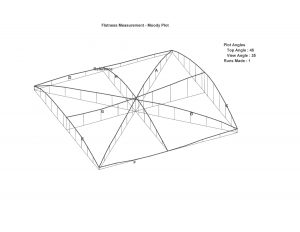
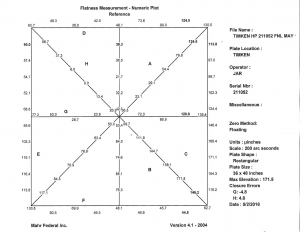
Routine surface plate calibration is necessary to ensure flatness and repeatability over time. The precision measurement group at Cross is ISO 17025 accredited for calibration of surface plate flatness and repeatability. We utilize the Mahr Surface Plate Certification System featuring:
- Moody and Profile Analysis,
- Isometric or Numeric plots,
- Multiple Run Average, and
- Automatic Grading According to Industry Standards.
The Mahr Computer Assisted Model determines any angular or linear deviation from absolute level, and is ideally suited for highly precise profiling of surface plates.
Intervals between calibrations will vary depending on the frequency of use, the environmental conditions where the plate is located, and the specific quality requirements of your company. Properly maintaining your surface plate may allow for longer intervals between each calibration, helps you avoid the added cost of relapping, and most importantly ensures the measurements you obtain on the plate are as accurate as possible. Although surface plates appear robust, they are precision instruments and should be treated as such. Here are some things to consider regarding care of your surface plates:
- Keep the plate clean, and if possible cover it when it is not in use
- Nothing should be placed on the plate other than gages or pieces to be measured.
- Don’t use the same spot on the plate every time.
- If possible, rotate the plate periodically.
- Respect the load limit of your plate
Precision Granite Base Can Improve Machine Tool Performances
Requirements are constantly increasing in mechanical engineering in general and in machine tool construction in particular. Achieving maximum precision and performance values without increasing costs are constant challenges to being competitive. The machine tool bed is a decisive factor here. Therefore, more and more machine tool manufacturers are relying on granite. Due to its physical parameters, it offers clear advantages that cannot be achieved with steel or polymer concrete.
Granite is a so-called volcanic deep rock and has a very dense and homogeneous structure with an extremely low coefficient of expansion, low thermal conductivity and high vibration damping.
Below you will discover why the common opinion that granite is mainly only suitable as machine base for high-end coordinate measuring machines is long outdated and why this natural material as a machine tool base is a very advantageous alternative to steel or cast iron even for high-precision machine tools.
We can manufacture granite components for dynamic motion, granite components for linear motors, granite components for ndt, granite components for xray, granite components for cmm, granite components for cnc, granite precision for laser, granite components for aerospace, granite components for precision stages...
High Added Value Without Additional Costs
The increasing use of granite in mechanical engineering is not so much due to the massive increase in the price of steel. Rather, it is because the added value for the machine tool achieved with a machine bed made of granite is possible at very little or no extra cost. This is proven by cost comparisons of well-known machine tool manufacturers in Germany and Europe.
The considerable gain in thermodynamic stability, vibration damping and long-term precision made possible by granite cannot be achieved with a cast iron or steel bed, or only at relatively high cost. For example, thermal errors can account for up to 75% of the total error of a machine, with compensation often attempted for by software – with moderate success. Due to its low thermal conductivity, granite is the better foundation for long-term precision.
With a tolerance of 1 μm, granite easily meets the flatness requirements according to DIN 876 for the degree of accuracy 00. With a value of 6 on the hardness scale 1 to 10, it is extremely hard, and with its specific weight of 2.8g/cm³ it almost reaches the value of aluminium. This also results in additional advantages such as higher feed rates, higher axis accelerations and an extension of the tool life for cutting machine tools. Thus, the change from a cast bed to a granite machine bed moves the machine tool in question into the high-end class in terms of precision and performance – at no extra cost.
Granite’s Improved Ecological Footprint
In contrast to materials such as steel or cast iron, natural stone does not have to be produced with a great deal of energy and using additives. Only relatively small amounts of energy are required for quarrying and surface treatment. This results in a superior ecological footprint, which even at the end of a machine’s life surpasses that of steel as a material. The granite bed can be the basis for a new machine or be used for completely different purposes such as shredding for road construction.
Nor are there any shortages of resources for granite. It is a deep rock formed from magma within the earth’s crust. It has ‘matured’ for millions of years and is available in very large quantities as a natural resource on almost all continents, including all of Europe.
Conclusion: The numerous demonstrable advantages of granite compared to steel or cast iron justify the increasing willingness of mechanical engineers to use this natural material as a foundation for high-precision, high-performance machine tools. Detailed information about granite properties, which are advantageous for machine tools and mechanical engineering, can be found in this further article.
A repeat measurement is a measurement of local flatness areas. The Repeat Measurement specification states that a measurement taken anywhere on the surface of a plate will repeat within the stated tolerance. Controlling local area flatness tighter than overall flatness guarantees a gradual change in surface flatness profile thereby minimizing local errors.
Most manufacturers, including imported brands, adhere to the Federal Specification of overall flatness tolerances but many overlook the repeat measurements. Many of the low value or budget plates available in the market today will not guarantee repeat measurements. A manufacturer who does not guarantee repeat measurements is NOT producing plates that meet the requirements of ASME B89.3.7-2013 or Federal Specification GGG-P-463c, or DIN 876, GB, JJS...
Both are critical to ensure a precision surface for accurate measurements. Flatness specification alone is not sufficient to guarantee measurement accuracy. Take as an example, a 36 X 48 Inspection Grade A surface plate, which meets ONLY the flatness specification of .000300". If the piece being checked bridges several peaks, and the gage being used is in a low spot, the measurement error could be the full tolerance in one area, 000300"! Actually, it can be much higher if the gage is resting on the slope of an incline.
Errors of .000600"-.000800" are possible, depending upon the severity of the slope, and the arm length of the gage being used. If this plate had a Repeat Measurement specification of .000050"F.I.R. then the measurement error would be less than .000050" regardless of where the measurement is taken on the plate. Another problem, which usually arises when an untrained technician attempts to resurface a plate on-site, is the use of Repeat Measurements alone to certify a plate.
The instruments that are used to verify repeatability are NOT designed to check overall flatness. When set to zero on a perfectly curved surface, they will continue to read zero, whether that surface is perfectly flat or perfectly concave or convex 1/2"! They simply verify the uniformity of the surface, not the flatness. Only a plate that meets both the flatness specification AND the repeat measurement specification truly meets the requirements of ASME B89.3.7-2013 or Federal Specification GGG-P-463c.
Ask us about or flatness specification and repeat measurement promise by calling +86 19969991659 or emailing INFO@ZHHIMG.COM
Yes, but they can only be guaranteed for a specific vertical temperature gradient. The effects of thermal expansion on the plate could easily cause a change in accuracy greater than the tolerance if there is a change in the gradient. In some cases, if the tolerance is tight enough, the heat absorbed from overhead lighting can cause enough of a gradient change over several hours.
Granite has a coefficient of thermal expansion of approximately .0000035 inches per inch per 1°F. As an example: A 36" x 48" x 8" surface plate has an accuracy of .000075" (1/2 of Grade AA) at a gradient of 0°F, the top and bottom are the same temperature. If the top of the plate warms up to the point where it is 1°F warmer than the bottom, the accuracy would change to .000275" convex ! Therefore, ordering a plate with a tolerance tighter than Laboratory Grade AA should only be considered if there is adequate climate control.
A surface plate should be supported at 3 points, ideally located 20% of the length in from the ends of the plate. Two supports should be located 20% of the width in from the long sides, and the remaining support should be centered. Only 3 points can rest solidly on anything but a precision surface.
The plate should be supported at these points during production, and it should be supported only at these three points while in use. Attempting to support the plate at more than three points will cause the plate to receive its support from various combinations of three points, which will not be the same 3 points on which it was supported during production. This will introduce errors as the plate deflects to conform to the new support arrangement. All zhhimg steel stands have support beams designed to line up with the proper support points.
If the plate is properly supported, precise leveling is only necessary if your application calls for it. Leveling is not necessary to maintain the accuracy of a properly supported plate.
Why Choose Granite for Machine Bases and Metrology Components?
The answer is 'yes' for almost every application. The advantages of granite include: No rust or corrosion, almost immune to warping, no compensating hump when nicked, longer wear life, smoother action, greater precision, virtually non-magnetic, low co-efficient of thermal expansion, and low maintenance cost.
Granite is a type of igneous rock quarried for its extreme strength, density, durability, and resistance to corrosion. But granite is also very versatile– it’s not just for squares and rectangles! In fact, Starrett Tru-Stone confidently works with granite components engineered in shapes, angles, and curves of all variations on a regular basis—with excellent outcomes.
Through our state of the art processing, cut surfaces can be exceptionally flat. These qualities make granite the ideal material to create custom-size and custom-design machine bases and metrology components. Granite is:
machineable
precisely flat when cut and finished
rust resistant
durable
long lasting
Granite components are also easy to clean. When creating custom designs, be sure to choose granite for its superior benefits.
STANDARDS / HIGH WEAR APPLICATIONS
The granite utilized by ZhongHui for our standard surface plate products has high quartz content, which provides greater resistance to wear and damage. Our Superior Black and Crystal Pink colors have low water absorption rates, minimizing the possibility of your precision gages rusting while setting on the plates. The colors of granite offered by ZhongHui result in less glare, which means less eyestrain for individuals using the plates. We have chosen our granite types while considering thermal expansion in an effort to keep this aspect minimal.
CUSTOM APPLICATIONS
When your application calls for a plate with custom shapes, threaded inserts, slots or other machining, you’ll want to select a material like Black Diabase. This natural material offers superior stiffness, excellent vibration dampening, and improved machinability.
Yes, if they are not too badly worn. Our factory setting and equipment allow the optimum conditions for proper plate calibration and rework if necessary. Generally, if a plate is within .001" of the required tolerance, it can be resurfaced on-site. If a plate is worn to the point where it is more than .001" out of tolerance, or if it is badly pitted or nicked, then it will need to be sent to the factory for grinding prior to relapping.
Great care should be exercised in selecting an on-site calibration and resurfacing technician. We urge you to use caution in selecting your calibration service. Ask for accreditation and verify the equipment that the technician will use has a National Inspection Institution traceable calibration. It takes many years to learn how to properly lap precision granite.
ZhongHui provides quick turn-around on calibrations performed in our factory. Send your plates in for calibration if possible. Your quality and reputation depend on the accuracy of your measurement instruments including surface plates!
Our black surface plates have a significantly higher density and are up to three times as stiff. Therefore, a plate made of the black does not need to be as thick as a granite plate of the same size to have equal or greater resistance to deflection. Reduced thickness means less weight and lower shipping costs.
Beware of others who use lower quality black granite in the same thickness. As stated above, properties of granite, like wood or metal, vary by material and color, and is not an accurate predictor of stiffness, hardness, or wear resistance. In fact, many types of black granite and diabase are very soft and not suitable for surface plate applications.
No. The specialized equipment and training necessary to rework these items requires that they be returned to the factory for calibration and rework.
Yes. Ceramic and granite have similar characteristics, and the methods used to calibrate and lap granite can be used with ceramic items as well. Ceramics are more difficult to lap than granite resulting in a higher cost.
Yes, provided that the inserts are recessed below the surface. If steel inserts are flush with, or above the surface plane, they must be spot-faced down before the plate can be lapped. If required, we can provide that service.
Yes. Steel inserts with the desired thread (English or metric) can be epoxy bonded into the plate at the desired locations. ZhongHui uses CNC machines to provide the tightest insert locations within +/- 0.005”. For less critical inserts, our locational tolerance for threaded inserts is ±.060". Other options include steel T-Bars and dovetail slots machined directly into the granite.
Inserts that are properly bonded using high strength epoxy and good workmanship will withstand a great deal of torsional and shear force. In a recent test, using 3/8"-16 threaded inserts, an independent testing laboratory measured the force required to pull an epoxy-bonded insert from a surface plate. Ten plates were tested. Out of these ten, in nine cases, the granite fractured first. The average load at the point of failure was 10,020 lbs. for gray granite and 12,310 lbs. for black. In the single case where an insert pulled free of the plate, the load at the point of failure was 12,990 lbs.! If a work piece forms a bridge across the insert and extreme torque is applied, it is possible to generate enough force to fracture the granite. Partially for this reason, ZhongHui gives guidelines for the maximum safe torque that can be applied the epoxy bonded inserts: https://www.zhhimg.com/standard-thread-inserts-product/
Yes, but only at our factory. At our plant, we can restore almost any plate to 'like-new' condition, usually for less than half the cost of replacing it. Damaged edges can be cosmetically patched, deep grooves, nicks, and pits can be ground out, and the attached supports can be replaced. In addition, we can modify your plate to increase its versatility by adding solid or threaded steel inserts and cutting slots or clamping lips, per your specifications.
Why Choose Granite?
Granite is a type of igneous rock formed in the Earth millions of years ago. The composition of igneous rock contained many minerals such as quartz that is extremely hard and wear-resistant. In addition to hardness and wear resistance granite has approximately half the coefficient of expansion as cast iron. As its volumetric weight is approximately one third that of cast iron, granite is easier to manoeuvre.
For machine bases and metrology components, black granite is the colour most used. Black granite has a higher percentage of quartz than other colours and is, therefore, the hardest wearing.
Granite is cost-effective, and cut surfaces can be exceptionally flat. Not only can it be hand lapped to achieve extremes of accuracy, but re-conditioning can be performed without moving the plate or table off-site. It is entirely a hand lapping operation and generally costs much less than re-conditioning a cast iron alternative.
These qualities make granite the ideal material to create custom-size and custom-design machine bases and metrology components such as the granite surface plate.
ZhongHui produces bespoke granite products that are created to support specific measurement requirements. These bespoke items vary from straight edges to tri squares. Due to the versatile nature of granite, the components can be produced to any size required; they are hard wearing and long-lasting.
Advantages of Granite Surface Plates
The importance of measuring on an even surface was established by British inventor Henry Maudsley in the 1800s. As a machine tool innovator, he determined that consistent production of parts required a solid surface for reliable measurements.
The industrial revolution created a demand for measuring surfaces, so engineering company Crown Windley created manufacturing standards. The standards for surface plates were first set by Crown in 1904 using metal. As the demand and cost for metal increased, alternative materials for the measuring surface were investigated.
In America, monument creator Wallace Herman established that black granite was an excellent surface plate material alternative to metal. As granite is non-magnetic and doesn’t rust, it soon became the preferred measuring surface.
A granite surface plate is an essential investment for laboratories and test facilities. A granite surface plate of 600 x 600 mm can be mounted on a support stand. The stands provide a working height of 34” (0.86m) with five adjustable points for levelling.
For reliable and consistent measurement results, a granite surface plate is crucial. As the surface is a smooth and stable plane, it enables instruments to be carefully manipulated.
The main advantages of granite surface plates are:
• Non-reflective
• Resistant to chemicals and corrosion
• Low coefficient of expansion compared with cart iron so less affected by temperature change
• Naturally rigid and hard-wearing
• The plane of the surface is unaffected if scratched
• Will not rust
• Non-magnetic
• Easy to clean and maintain
• Calibration and resurfacing can be done onsite
• Suitable for drilling for threaded support inserts
• High vibration damping
For many shops, inspection rooms and laboratories, precision granite surface plates are relied on as the basis for accurate measurement. Because every linear measurement depends on an accurate reference surface from which final dimensions are taken, surface plates provide the best reference plane for work inspection and layout prior to machining. They also are ideal bases for making height measurements and gaging surfaces. Further, a high degree of flatness, stability, overall quality and workmanship make them a good choice for mounting sophisticated mechanical, electronic and optical gaging systems. For any of these measurement processes, it is imperative to keep surface plates calibrated.
Repeat Measurements and Flatness
Both flatness and repeat measurements are critical to ensure a precision surface. Flatness can be considered as all points on the surface being contained within two parallel planes, the base plane and the roof plane. The measurement of distance between the planes is the overall flatness of the surface. This flatness measurement commonly carries a tolerance and may include a grade designation.
The flatness tolerances for three standard grades are defined in the federal specification as determined by the following formula:
Laboratory Grade AA = (40 + diagonal² / 25) x 0.000001 inch (unilateral)
Inspection Grade A = Laboratory Grade AA x 2
Tool Room Grade B = Laboratory Grade AA x 4
In addition to flatness, repeatability must be ensured. A repeat measurement is a measurement of local flatness areas. It is a measurement taken anywhere on the surface of a plate that will repeat within the stated tolerance. Controlling local area flatness to a tighter tolerance than overall flatness guarantees a gradual change in surface flatness profile, thereby minimizing local errors.
To ensure a surface plate meets both the flatness and repeat measurement specifications, manufacturers of granite surface plates should use Federal Specification GGG-P-463c as a basis for their specifications. This standard addresses repeat measurement accuracy, material properties of surface plate granites, surface finish, support point location, stiffness, acceptable methods of inspection and installation of threaded inserts.
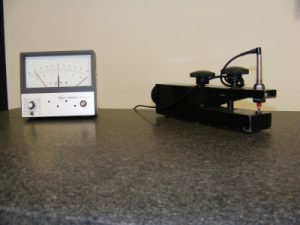
Before a surface plate has worn beyond specification for overall flatness, it will show worn or wavy posts. Monthly inspection for repeat measurement errors using a repeat reading gage will identify wear spots. A repeat reading gage is a high-precision instrument that detects local error and can be displayed on a high magnification electronic amplifier.
Checking Plate Accuracy
By following a few simple guidelines, an investment in a granite surface plate should last for many years. Depending on plate usage, shop environment and required accuracy, frequency of checking the surface plate accuracy varies. A general rule of thumb is for a new plate to receive a full recalibration within one year of purchase. If the plate is used frequently, it is advisable to shorten this interval to six months.
Before a surface plate has worn beyond specification for overall flatness, it will show worn or wavy posts. Monthly inspection for repeat measurement errors using a repeat reading gage will identify wear spots. A repeat reading gage is a high-precision instrument that detects local error and can be displayed on a high magnification electronic amplifier.
An effective inspection program should include regular checks with an autocollimator, providing actual calibration of overall flatness traceable to National Institute of Standards and Technology (NIST). Comprehensive calibration by the manufacturer or an independent company is necessary from time to time.
Variations Between Calibrations
In some cases, there are variations between surface plate calibrations. Sometimes factors such as surface change resulting from wear, incorrect use of inspection equipment or use of noncalibrated equipment can account for these variations. The two most common factors, however, are temperature and support.
One of the most important variables is temperature. For instance, the surface might have been washed with a hot or cold solution prior to calibration and not allowed sufficient time to normalize. Other causes of temperature change include drafts of cold or hot air, direct sunlight, overhead lighting or other sources of radiant heat on the surface of the plate.
There also can be variations in the vertical temperature gradient between winter and summer. In some cases, the plate is not allowed sufficient time to normalize after shipment. It is a good idea to record the vertical gradient temperature at the time the calibration is performed.
Another common cause for calibration variation is a plate that is improperly supported. A surface plate should be supported at three points, ideally located 20% of the length in from the ends of the plate. Two supports should be located 20% of the width in from the long sides, and the remaining support should be centered.
Only three points can rest solidly on anything but a precision surface. Attempting to support the plate at more than three points will cause the plate to receive its support from various combinations of three points, which will not be the same three points on which it was supported during production. This will introduce errors as the plate deflects to conform to the new support arrangement. Consider using steel stands with support beams designed to line up with the proper support points. Stands for this purpose are generally available from the surface plate manufacturer.
If the plate is properly supported, precise leveling is only necessary if an application specifies it. Leveling is not necessary to maintain the accuracy of a properly supported plate.
It is important to keep the plate clean. Airborne abrasive dust is usually the greatest source of wear and tear on a plate, as it tends to embed in workpieces and the contact surfaces of gages. Cover plates to protect them from dust and damage. Wear life can be extended by covering the plate when not in use.
Extend Plate Life
Following a few guidelines will reduce wear on a granite surface plate and ultimately, extend its life.
First, it is important to keep the plate clean. Airborne abrasive dust is usually the greatest source of wear and tear on a plate, as it tends to embed in workpieces and the contact surfaces of gages.
It also is important to cover plates to protect it from dust and damage. Wear life can be extended by covering the plate when not in use.
Rotate the plate periodically so that a single area does not receive excessive use. Also, it is recommended to replace steel contact pads on gaging with carbide pads.
Avoid setting food or soft drinks on the plate. Many soft drinks contain either carbonic or phosphoric acid, which can dissolve the softer minerals and leave small pits in the surface.
Where to Relap
When a granite surface plate needs re-surfacing, consider whether to have this service performed on-site or at the calibration facility. It is always preferable to have the plate relapped at the factory or a dedicated facility. If, however, the plate is not too badly worn, generally within 0.001 inch of the required tolerance, it can be resurfaced on-site. If a plate is worn to the point where it is more than 0.001 inch out of tolerance, or if it is badly pitted or nicked, then it should be sent to the factory for grinding prior to relapping.
A calibration facility has the equipment and factory setting providing the optimum conditions for proper plate calibration and rework if necessary.
Great care should be exercised in selecting an on-site calibration and resurfacing technician. Ask for accreditation and verify the equipment that the technician will use has a NIST-traceable calibration. Experience also is an important factor, as it takes many years to learn how to correctly lap precision granite.
Critical measurements start with a precision granite surface plate as a baseline. By ensuring a reliable reference by using a properly calibrated surface plate, manufacturers have one of the essential tools for reliable measurements and better quality parts.
Checklist for Calibration Variations
- The surface was washed with a hot or cold solution prior to calibration and was not allowed sufficient time to normalize.
- The plate is improperly supported.
- Temperature change.
- Drafts.
- Direct sunlight or other radiant heat on the surface of the plate. Be sure that overhead lighting is not heating the surface.
- Variations in the vertical temperature gradient between winter and summer. If at all possible, know the vertical gradient temperature at the time the calibration is performed.
- Plate not allowed sufficient time to normalize after shipment.
- Improper use of inspection equipment or use of noncalibrated equipment.
- Surface change resulting from wear.
Tech Tips
Because every linear measurement depends on an accurate reference surface from which final dimensions are taken, surface plates provide the best reference plane for work inspection and layout prior to machining.
Controlling local area flatness to a tighter tolerance than overall flatness guarantees a gradual change in surface flatness profile, thereby minimizing local errors.